The Complete Guide to Scale Calibration in Construction Documents
Why Scale Calibration Matters
Every measurement you take on a construction document depends on accurate scale calibration. Get it wrong, and every subsequent calculation compounds the error. A simple 5% calibration mistake on a 50,000 SF building becomes a 2,500 SF discrepancy—potentially tens of thousands of dollars in material costs.
Understanding Architectural Scales
Construction documents typically use standardized scales:
| Scale | 1 inch equals | Common Use |
| 1/4" = 1'-0" | 4 feet | Floor plans |
|---|---|---|
| 1/8" = 1'-0" | 8 feet | Site plans |
| 1/2" = 1'-0" | 2 feet | Details |
| 3/4" = 1'-0" | 16 inches | Enlarged plans |
| 1" = 1'-0" | 1 foot | Cabinet details |
The Three-Point Calibration Method
Professional estimators use a three-point verification method to ensure accuracy:
- Primary calibration — Use the printed scale bar if available
- Secondary verification — Measure a known dimension (room size, grid spacing)
- Tertiary check — Confirm with another known measurement in a different location
Common Calibration Pitfalls
PDF printing issues are the most common source of calibration errors. When architects print PDFs at "Fit to Page" instead of "Actual Size," the scale becomes unreliable. Always verify against known dimensions.
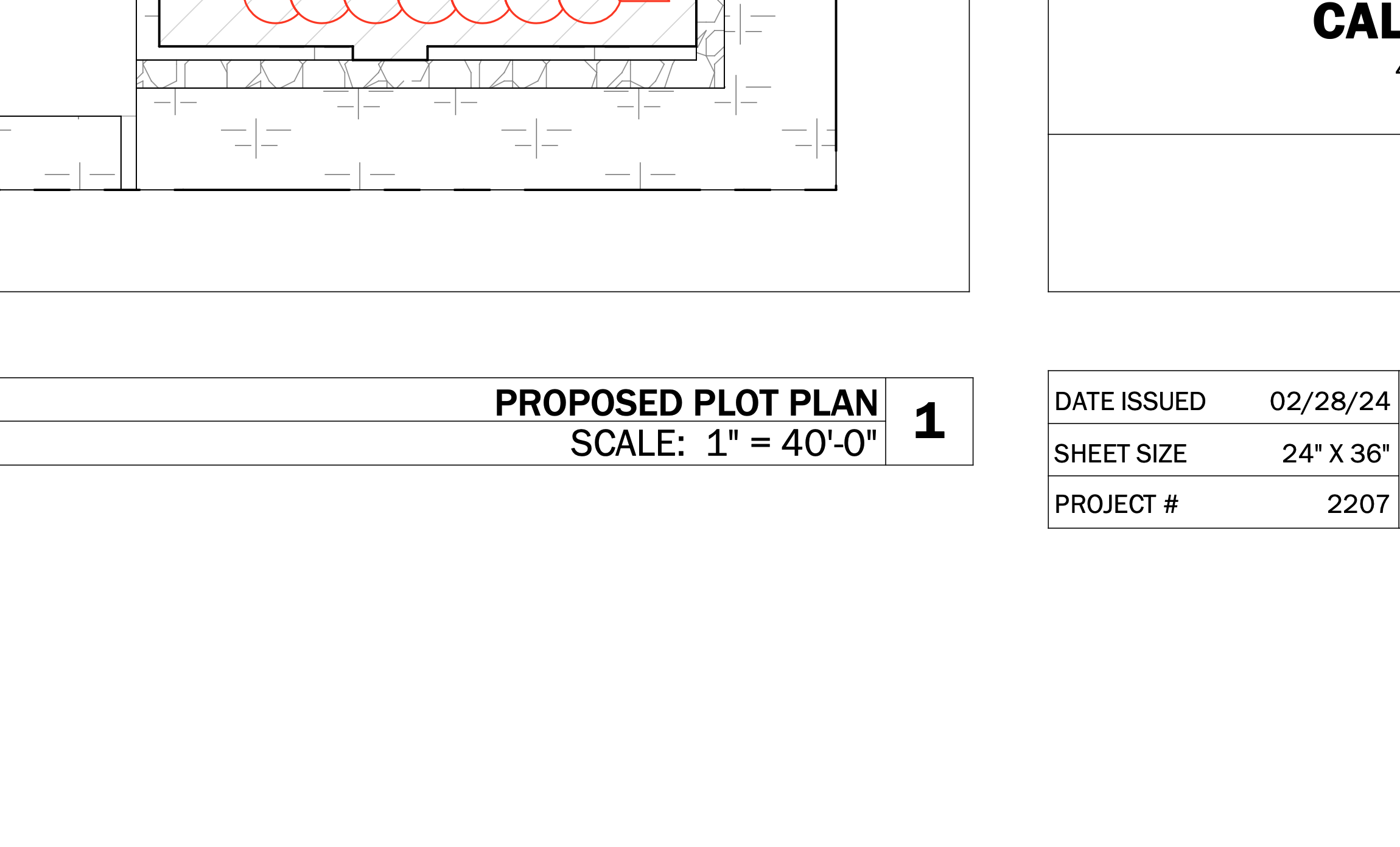
Mixed scales on one sheet catch many estimators off guard. Detail callouts often use different scales than the main drawing. Pay attention to scale notations in title blocks and around individual details.
Digital zoom distortion doesn't actually affect measurement accuracy in proper software, but it can confuse users who expect on-screen measurements to match physical rulers.
Best Practices for Accuracy
- Always calibrate each sheet individually—never assume scales are consistent
- Use the longest available known dimension for calibration
- Re-calibrate when you receive updated drawing sets
- Document your calibration source for quality control
- Cross-reference with written dimensions when available
When Scales Don't Match
If your calibrated measurements don't match written dimensions on the drawings, document the discrepancy and submit an RFI. Never assume which is correct—let the architect clarify before proceeding with your estimate.
Proper scale calibration is the foundation of accurate takeoffs. Take the extra 2 minutes to verify—it will save hours of rework later.
Ready to modernize your takeoffs?
Join thousands of construction professionals using Jobplans for faster, more accurate measurements.